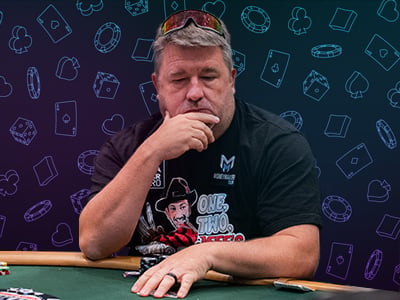
While both formats require skill, heads-up play demands more aggression and adaptability Texas Hold’em can be played in various formats, with heads-up and full ring games being two of the most distinct styles. While both follow the same fundamental rules, they require different strategies due to variations in player count, hand ranges, and betting dynamics.

Tag: Strategy
Why aggressive poker is winning poker
Aggression reigns supreme in No-Limit Texas Hold’em. Sure, discipline and patience are key, but when money is to be won at the tables, aggressive players win in the end. Whether you’re firing a continuation bet, 3-betting preflop, or applying pressure on later streets, aggression causes your opponents to make tough decisions—putting you in control. The
Hand selection strategy for 5-Card PLO (avoiding trouble hands)
5-Card Pot-Limit Omaha (PLO) is a high-stakes game where hand selection will ruin or rescue your bankroll. Unlike No-Limit Hold’em, where preflop hand strength is pretty decisive, 5-Card PLO is all about made and coordinated hands that have the ability to make the nuts. The right starting hands are important in order to stay away
What To Raise and Fold Preflop in Short Deck Hold’em
Since equities run closer in Short Deck, choosing the right hands to raise and fold will keep you ahead of the competition Short Deck Hold’em, also known as Six-Plus Hold’em, is a variation of traditional Texas Hold’em that uses a smaller deck by removing the twos, threes, fours, and fives. This change alters hand rankings
Incorporating ICM Theory Into Texas Hold’em Bubble Play
By incorporating ICM theory, you can position yourself for a deeper run in the tournament In tournament Texas Hold’em poker, understanding the Independent Chip Model (ICM) can be the difference between making a profitable decision and busting out before the money. This concept becomes especially critical during bubble play, where one wrong move can cost
Leveraging Fold Equity in Small Pocket Pair Scenarios in Texas Hold’em
By recognizing the right moments to apply pressure, you can make your small pocket pairs more profitable Leveraging fold equity when playing small pocket pairs in Texas Hold’em is an important strategy that can help maximize profits and minimize risk. Small pairs, typically ranging from pocket twos to pocket sixes, have solid preflop strength but
Building an Effective Heads-up Opening Range in Texas Hold’em
An effective heads-up opening range is about maintaining an edge over your opponent Playing heads-up in Texas Hold’em requires a strong opening range to stay ahead of your opponent. Since there are only two players at the table, every hand holds more value, and aggression becomes a key factor in winning. Unlike full-ring or six-max
Managing Tilt in Pot-Limit Omaha Tournaments
Developing mental discipline keeps tilt in check and leads to better long-term results in PLO tournaments Tilt is a common challenge in Pot-Limit Omaha (PLO) tournaments, where the high variance and fast-paced action can lead to emotional swings. Managing tilt effectively is crucial to maintaining a strong mindset and making the best decisions throughout the
Exploring Reverse Implied Odds in Short Deck Play
By factoring in certain risks, you can make better strategic choices and improve your success Reverse implied odds play a significant role in Short Deck poker, where the dynamics of hand values and probabilities differ from traditional Texas Hold’em. In this fast-paced variant, also known as Six Plus Hold’em, the deck consists of 36 cards,
Managing Your Emotions During Texas Hold’em Bubble Play
Keeping emotions in check during bubble play is what separates great players from the rest Managing emotions during the bubble stage of a Texas Hold’em tournament is one of the toughest challenges players face. The pressure is intense, as one wrong move could mean walking away with nothing, while a well-timed decision could secure a
Strategies for Playing Out of Position With Small Pocket Pairs in Texas Hold’em
The key to success is knowing when to set mine, apply pressure, or let go of the hand Playing out of position with small pocket pairs in Texas Hold’em presents challenges, but the right strategies can help turn these hands into profitable opportunities. Small pocket pairs, typically ranging from 22 to 66, have strong set-mining
Constructing a Balanced Range in PLO
By constructing a balanced range, you can maintain unpredictability and increase profitability Constructing a balanced range in Pot-Limit Omaha (PLO) is a crucial skill that separates advanced players from those who rely solely on big hands. Unlike No-Limit Hold’em, where players start with two hole cards, PLO deals four hole cards, significantly increasing the number