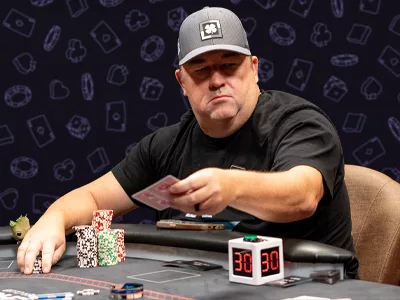
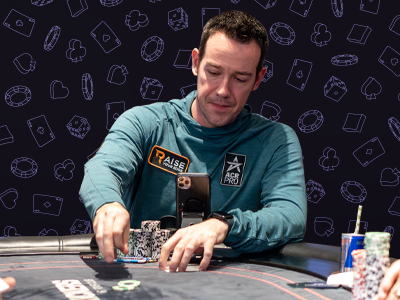
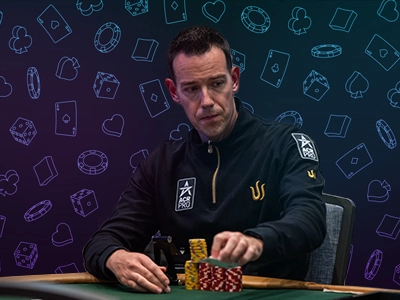
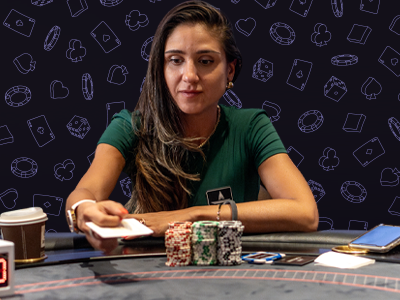
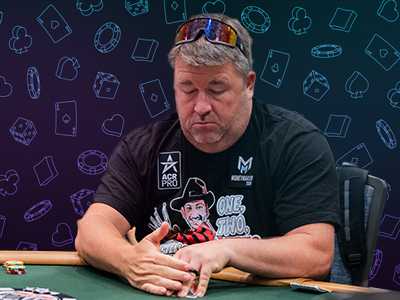
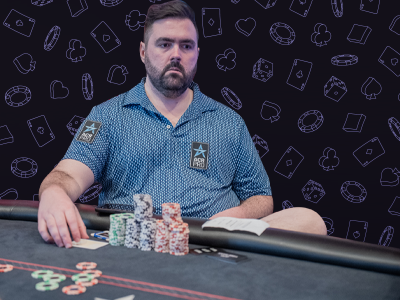
By varying aggression and paying attention to weak players’ tendencies, they can become a reliable source of chips In Pot-Limit Omaha (PLO) tournaments, identifying and exploiting weak tight players can be a valuable strategy. These opponents tend to play conservatively, avoiding big confrontations unless they hold strong hands. While this cautious style can keep them

Tag: poker
What It Means to Muck in Texas Hold’em
Knowing when to muck can impact how opponents perceive your strategy In Texas Hold’em, the term “muck” refers to both the act of folding a hand and the pile of discarded cards during a game. Mucking typically occurs in two key situations: when a player folds their hand during a betting round or when they
Understanding the Value of Suited vs. Offsuit Hands in Short Deck Hold’em
Understanding how hand values change in Short Deck is key to making better decisions Short Deck Hold’em, also known as Six-Plus Hold’em, is a fast-paced variation of traditional Texas Hold’em that removes the twos, threes, fours, and fives from the deck. With only 36 cards in play, hand values shift significantly, making certain hands stronger
Understanding Implied Odds for Small Pocket Pairs in Texas Hold ’em
Careful evaluation of potential future winnings is necessary to turn these hands into winning plays Implied odds play a crucial role in Texas Hold ’em, especially when deciding whether to call a preflop raise with small pocket pairs. Unlike direct pot odds, which focus only on the immediate risk versus reward, implied odds consider potential
How to Leverage Position in Heads-up Texas Hold’em Matches
By applying pressure and adjusting to opponent’s tendencies, you can maximize your edge in heads-up matches Position is one of the most important factors in heads-up Texas Hold’em. Since there are only two players, every hand consists of one player acting first and the other acting last. Understanding how to take advantage of position can
Adjusting Your Aggression Based on Opponents’ Styles in PLO
Recognizing different styles and responding accordingly can create profitable opportunities at the table Pot-Limit Omaha (PLO) requires a dynamic approach, especially when it comes to adjusting aggression based on opponents’ playing styles. Unlike No-Limit Hold’em, where aggressive betting can force folds more easily, PLO players often see more flops due to the greater number of
Setting Limits and Choosing the Right Stakes in Texas Hold’em
When it comes to winning at Texas Hold’em, the top players understand that establishing limits and choosing appropriate stakes are essential. If you’re grinding cash games or jumping into a tournament, you’re not successful because you’re familiar with the game—you’re successful because you’re making smart decisions with your bankroll and playing at stakes where you
When To Slow Play and When To Bet Aggressively in Short Deck Hold’em
By recognizing when to change gears, you can extract the most value from your hands Short Deck Hold’em, also known as Six-Plus Hold’em, requires a different approach than traditional Texas Hold’em due to the smaller deck and altered hand rankings. Understanding when to slow play and when to bet aggressively is key to maximizing value
The Importance of Being Aggressive in Heads-up Texas Hold’em
Being aggressive doesn’t mean playing recklessly, but rather controlling the game’s momentum Being aggressive in heads-up Texas Hold’em is one of the most important factors in gaining an edge over an opponent. Since there are only two players in the game, blinds come around quickly, and waiting for premium hands is not a viable strategy.
Bankroll Management During Bubble Situations in Texas Hold’em
Staying patient, avoiding desperation and recognizing when to take calculated risks ensures a stable bankroll Managing a bankroll effectively is crucial in Texas Hold’em, especially during bubble situations when tournament survival is at stake. The bubble is the stage where only a few players need to be eliminated before reaching the money. This phase requires
The Role of Pot Control With Small Pocket Pairs in Texas Hold’em
By focusing on pot control, you can extract value when conditions are favorable Managing the size of the pot with small pocket pairs in Texas Hold’em is a crucial strategy that can help players maximize value while minimizing risk. Since these hands—such as pocket twos through pocket sixes—are often vulnerable post-flop, understanding when to control
Using Position To Exploit Weak Players in PLO Tournaments
By using position, you can gain a clear edge in tournaments and make deeper runs In Pot-Limit Omaha (PLO) tournaments, understanding how to use position effectively can give players a significant advantage, especially against weaker opponents. Position influences every decision at the table, allowing skilled players to control the action, extract value, and avoid unnecessary