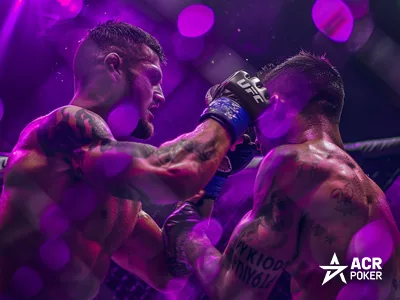



Combining physical clues, training updates, and betting movement helps reduce uncertainty
Injury reports can play a big role in UFC betting, even when details are limited. Fighters rarely enter the cage at 100%, but small injuries can still affect speed, endurance, and overall performance. Paying attention to any available information can give bettors an edge before odds adjust.
Camp reports and interviews are often the first place to look. Fighters sometimes mention nagging issues or changes in training that hint at underlying problems. A shortened camp or modified workouts may suggest a fighter is not fully prepared for a tough matchup.
Weight cuts can also reveal hidden concerns. If a fighter struggles badly on the scale, it may point to health issues or poor conditioning. A difficult cut can drain energy and impact durability, which becomes important in longer fights or high-pressure exchanges.
Late replacements are another key factor. Fighters stepping in on short notice may not be dealing with injuries, but they often lack full preparation. On the other side, the original fighter might have been recovering from something, which changes how you evaluate the matchup.
Watching weigh-ins and faceoffs can provide visual clues. Signs like limited movement, heavy breathing, or visible discomfort may confirm concerns. While not always reliable, these moments can help support other information gathered earlier.
Timing matters when placing bets. Lines may shift quickly once injury news becomes public, so early research can create value. Waiting too long can mean missing favorable odds after the market reacts.