How crypto day trading skills transfer to crypto poker: expected value, buy-in discipline, deposit asset choice, and the habits that backfire.
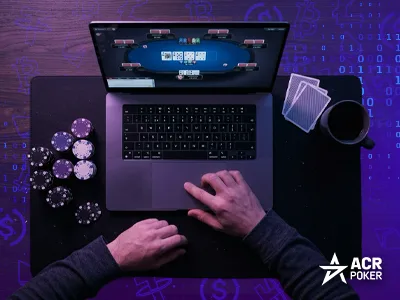
How crypto day trading skills transfer to crypto poker: expected value, buy-in discipline, deposit asset choice, and the habits that backfire.
How multi-asset crypto wallets manage BTC, ETH, LTC and stablecoins from one seed, plus the network and security trade-offs for poker banking.
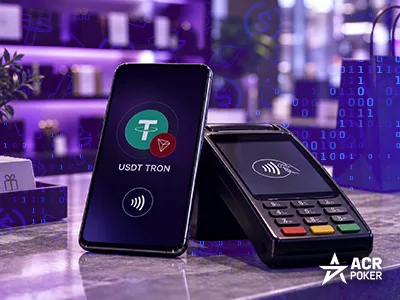
Why USDT poker deposits run on Tron: energy and bandwidth fees, one-minute finality, TRC20 risks, and the mistakes that cost players funds.

NEAR Protocol’s sharded architecture keeps poker deposit and withdrawal fees near-zero, with fast finality — here’s how the trade-offs work.

Why Toncoin’s fast finality, low fees, and native Telegram wallet integration are driving faster adoption in crypto poker deposits.

A technical guide to bridge mechanics and exploit vectors, showing how to move a crypto poker bankroll between blockchains safely.

Cardano’s eUTXO model and Plutus smart contracts offer a distinct approach to on-chain verification for poker platforms.

XRP settles via validator consensus, not mining. See how that changes poker withdrawal speed, fees, and reserve requirements.

Grinders convert volatile crypto winnings into stablecoins to fix bankroll value — trading price risk for issuer and smart contract risk.

How Avalanche subnets give poker platforms dedicated blockchain capacity, isolating settlement from unrelated network congestion.
Why BNB Chain’s fees stay stable for poker deposits, even during market volatility.

A technical guide to tracking crypto poker wins and losses for tax reporting, covering cost basis, record-keeping, and common pitfalls.