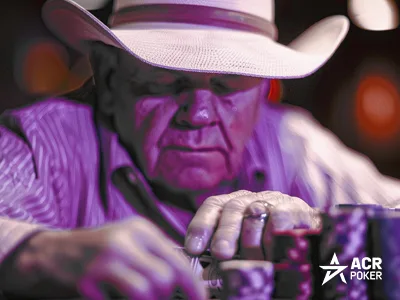



Binion’s legacy, complicated and enduring, continues to shape poker decades later
Benny Binion, one of the most influential and controversial figures in gambling history, is headed to the big screen. A new film centered on the World Series of Poker founder is in development, with backing from Sylvester Stallone and production handled by Amazon MGM alongside Balboa Productions.
The movie draws inspiration from the 2014 biography Blood Aces: The Wild Ride of Benny Binion, which explores Binion’s rise from Texas crime boss to Las Vegas casino operator. Actor Cole Hauser, best known for his role on Yellowstone, has been cast to play Binion, a choice Stallone has publicly supported.
Binion’s story begins in Texas, a state that has long resisted legalized gambling. Despite those restrictions, he built a reputation running underground betting and gambling operations. His early life was marked by violence and alleged criminal ties, including claims of involvement in multiple killings, allegations he often disputed.
In 1946, Binion relocated to Nevada, where gambling offered opportunity rather than risk. He opened the Horseshoe Casino in downtown Las Vegas in 1951, quickly earning attention for welcoming high-stakes players and offering fair rules that appealed to serious gamblers.
That same approach led to his most lasting contribution. In 1970, Binion hosted a small gathering of top poker players to determine the best among them. That event became the first World Series of Poker, setting the stage for competitive poker as it exists today.
While Binion’s personal history remains deeply divisive, his influence on poker is hard to deny. The WSOP grew into the game’s most important annual event, helping transform poker from a backroom pastime into a global competition.