

The Swedish Poker Federation wants poker reforms after last Friday’s raid
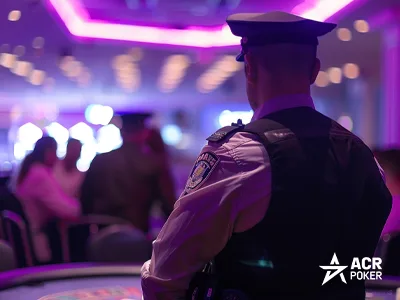
A police raid on an underground poker game in Stockholm has sparked outrage among Swedish players and renewed calls for reform. The incident occurred last Friday at Krukan, a long-running unlicensed poker club, where officers stormed the venue with guns drawn and drones overhead. Video clips quickly spread across social media, prompting the Swedish Poker Federation (SPF) to challenge the tactics used.
SPF chairman Mauritz Altikardes said players were terrified, with some initially believing they were being robbed. He noted that unlicensed gambling participation is not a crime in Sweden, meaning only operators—not players—can face charges. Despite this, attendees were treated as suspects, detained for hours, searched, and later told they might have to testify.
Altikardes also stressed that Krukan’s location in a mixed-use building meant many bystanders, including families and nearby shop customers, witnessed the raid. He argued the response criminalized casual poker players rather than focusing on organized crime. The SPF maintains that while it supports enforcement against illegal operators, players have limited legal options due to restrictive and impractical licensing rules.
Sweden technically allows licensed poker activities, but the requirements are so burdensome that only one legal club exists in the entire country. Commercial venues face steep fees and strict limits on tournament size, frequency, and buy-ins, making it nearly impossible to operate profitably. Cash games are banned outright, and private individuals who seek a license must shoulder full legal liability.
Because of these barriers, many players rely on underground clubs that authorities have historically tolerated. Krukan operates just a short walk from a police station, and Altikardes said officers have generally overlooked small-scale poker activity for years. The sudden, forceful raid left the community confused about what changed.
Players are now calling for a clearer and more workable regulatory system—one that allows safe, legal games and prevents heavy-handed interventions that frighten hobbyists rather than stopping criminal networks.