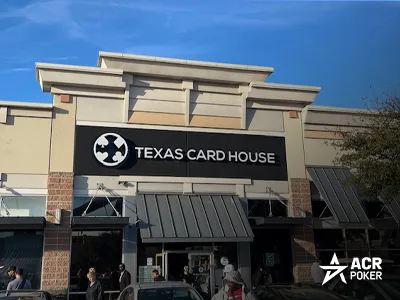



A years-long legal battle between the City of Dallas and one of Texas’ most prominent poker clubs has finally come to an end — and taxpayers picked up a sizable bill along the way.
After nearly three years of litigation, the Texas Supreme Court declined to hear the city’s final appeal, effectively allowing Texas Card House Dallas to continue operating and closing the case. The decision left intact an earlier appellate ruling that sided with the poker club and upheld its ability to run games under its existing permit.
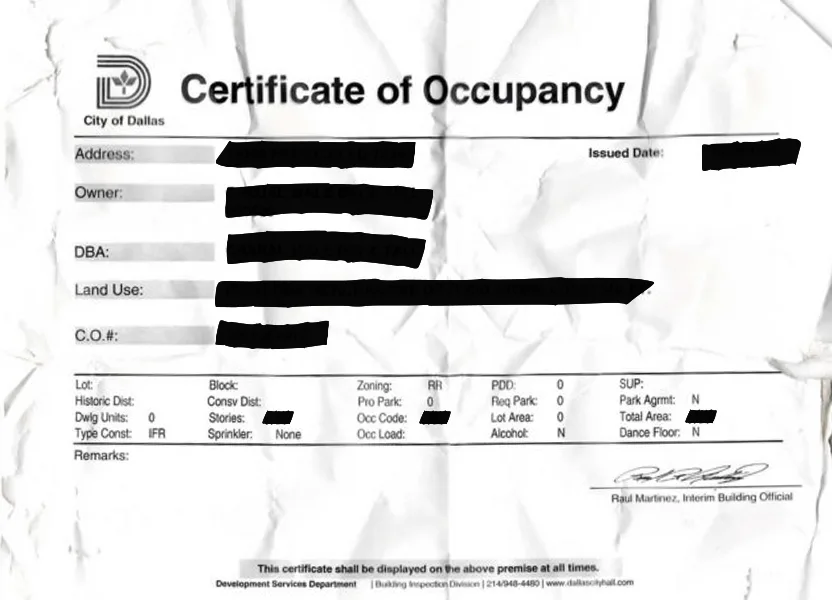
The legal fight centered around the city’s attempt to revoke the club’s Certificate of Occupancy, which officials argued had been issued improperly. But the effort required significant financial backing from Dallas.
City records show that hundreds of thousands of dollars in public funds were approved to pursue the case. In 2023 alone, the Dallas City Council had allocated roughly $370,000 for legal expenses, with additional funding approved afterward as the case moved through appeals.
Critics inside the council questioned whether continuing the fight made sense, particularly given the uncertain legal environment surrounding poker rooms in Texas and the possibility that regulating the industry might produce tax revenue instead of mounting legal costs.
For poker advocates, however, the ruling represents something far bigger than a local zoning dispute.
It signals a potential turning point in the long-running debate over whether poker clubs can legally operate in Texas.
But the origins of the conflict stretch back years — beginning with a permit that Dallas itself approved.
In Part 2, we’ll examine how Texas Card House went from receiving city approval to becoming the center of one of the most closely watched poker cases in the state.