



High-stakes cryptocurrency poker bankroll management operates under different constraints than traditional fiat bankroll strategy. Price volatility introduces a variable that doesn’t exist with USD or EUR—your bankroll value can swing 10-30% independent of poker results. Bitcoin holdings worth 100 buy-ins today might represent 85 or 115 buy-ins next week based purely on market movement.
This volatility requires layered allocation strategies. Professional crypto poker players don’t hold their entire bankroll in a single asset or storage location. They split funds across hot wallets (immediate access), cold storage (maximum security), and sometimes stablecoins (volatility hedge). Each allocation serves specific operational and risk management purposes.
This guide explains bankroll architecture for high-stakes crypto poker, covering allocation models, volatility management techniques, custody protocols, and the operational practices that separate sustainable players from those who experience catastrophic losses. You’ll understand how to structure crypto holdings to withstand both poker variance and market volatility while maintaining sufficient liquidity for game selection.
The Three-Tier Bankroll Architecture
Effective crypto poker bankroll management uses a three-tier structure that balances liquidity, security, and volatility exposure. This architecture prevents the two most common failure modes: insufficient access to funds during optimal game conditions, and catastrophic loss through security breaches or market crashes.
Tier 1 (Hot Wallet – 10-20% of bankroll): Funds available for immediate deposits. Stored in software wallets or exchange accounts with instant withdrawal capability. This tier accepts higher security risk in exchange for zero-friction access. The percentage scales inversely with total bankroll size—high-stakes players with large bankrolls use lower percentages because 10% of a million-dollar bankroll provides substantial liquidity.
Tier 2 (Warm Storage – 30-40% of bankroll): Funds accessible within 24-48 hours. Stored in hardware wallets or multi-signature setups that require deliberate action to access. This tier balances security and availability, serving as a buffer that can be moved to hot storage during scheduled refill windows. Players move funds from Tier 2 to Tier 1 during low-fee network periods to minimize transaction costs.
Tier 3 (Cold Storage – 40-60% of bankroll): Long-term holdings with maximum security. Stored in offline hardware wallets, geographically distributed multi-sig setups, or institutional custody solutions for very large bankrolls. This tier protects against both security breaches and impulsive decisions during downswings. Access requires 2-5 days of deliberate process, creating psychological friction that prevents emotional bankroll mismanagement.
Volatility Management Through Asset Allocation
Cryptocurrency price volatility affects bankroll sizing independent of poker variance. A player with proper bankroll management for their stake level can find themselves under-rolled after a 40% Bitcoin drawdown, even without losing at poker. This requires dynamic allocation strategies that aren’t necessary with fiat currency.
The Stablecoin Hedge Approach
Many high-stakes players maintain 30-50% of their bankroll in stablecoins (USDT, USDC) to reduce volatility exposure. This creates a floor for bankroll value—if Bitcoin drops 30%, a portfolio that’s 50% BTC and 50% stablecoins only drops 15%. The trade-off: you sacrifice potential upside and introduce smart contract risk plus centralized reserve exposure.
Stablecoin allocation should scale with risk tolerance and market conditions. During periods of high cryptocurrency volatility (bull runs, regulatory events), increasing stablecoin percentage provides stability. During consolidation periods with low volatility, players can increase crypto exposure to benefit from potential appreciation. This requires active monitoring and periodic rebalancing.
Multi-Asset Diversification
Sophisticated players diversify across multiple cryptocurrencies rather than holding 100% Bitcoin. A typical allocation might be 40% BTC, 30% ETH, 30% stablecoins. This reduces single-asset risk while maintaining crypto exposure. Bitcoin and Ethereum have different volatility profiles and often don’t move in perfect correlation—when one drops 20%, the other might drop only 10%, reducing overall portfolio volatility.
Diversification introduces operational complexity. Each cryptocurrency requires separate wallet infrastructure, different transaction fee management, and understanding of distinct network characteristics. Players must evaluate whether the reduced volatility justifies the increased operational burden based on their bankroll size and technical proficiency.
What This Means for High-Stakes Play
High-stakes crypto poker creates unique timing and access challenges. Games run at irregular schedules, seats fill quickly, and optimal table conditions might last only 2-3 hours. Players need immediate access to substantial funds without exposing their entire bankroll to hot wallet risk. This operational constraint drives the three-tier architecture.
Traditional bankroll management recommends 20-30 buy-ins for cash games. With cryptocurrency, this calculation becomes more complex. You need 20-30 buy-ins denominated in your base currency (USD value), but that value fluctuates in crypto terms. A player with 30 buy-ins worth of Bitcoin might effectively have only 21 buy-ins after a 30% market drop, forcing them to either reduce stakes or accept increased risk of ruin.
The solution is overbanking—maintaining 30-50% additional bankroll to absorb crypto volatility. If proper bankroll management requires 25 buy-ins, crypto players should maintain 33-38 buy-ins to account for potential market drawdowns. This overhead represents the cost of operating in a volatile asset class while maintaining consistent stake selection.
Common Mistakes High-Stakes Players Make
- Keeping entire bankroll in hot wallets for convenience, exposing hundreds of thousands to exchange hack risk or personal security breaches
- Holding 100% Bitcoin during bull markets, experiencing 40-50% bankroll swings that force stake reductions during optimal game conditions
- Not scheduling regular Tier 2 → Tier 1 transfers, missing high-value games because funds are locked in cold storage with multi-day access delays
- Failing to rebalance after significant price movements, allowing volatile assets to become disproportionate percentage of total bankroll
- Converting entire bankroll to stablecoins during market downturns, crystalizing losses and missing recovery upside that would restore bankroll value
Advanced Custody Architecture for Large Bankrolls
Multi-Signature Cold Storage
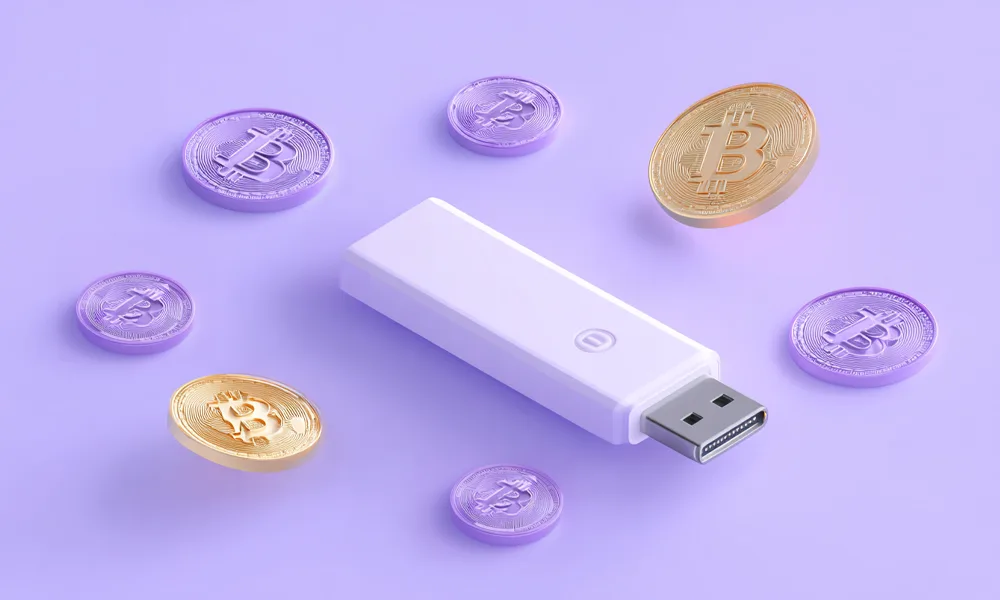
For bankrolls exceeding 500+ buy-ins at high stakes (seven figures USD value), single-key hardware wallets introduce key person risk. Multi-signature wallets require M-of-N keys to authorize transactions—typically 2-of-3 or 3-of-5 configurations. This prevents single point of failure from key loss, theft, or coercion.
A common 2-of-3 setup: one hardware wallet in home safe, one in safety deposit box, one with trusted partner or attorney. Any two keys can sign transactions, so losing one key doesn’t result in permanent loss. Geographic distribution prevents loss from localized events (fire, burglary). The complexity cost: every transaction requires coordinating multiple signatures, making this approach impractical for hot wallet operations.
Time-Locked Recovery Mechanisms
Advanced players implement time-locked recovery transactions that activate if the primary keys aren’t moved within a specified period (6-12 months). If a player dies or becomes incapacitated, the time-lock expires and funds automatically transfer to a designated recovery address controlled by heirs or partners. This solves the inheritance problem unique to self-custody cryptocurrency.
Time-locks require technical expertise to implement correctly. Incorrect configuration can result in premature activation (funds move before intended) or permanent lockup (time-lock conditions never satisfied). This technique is recommended only for players with strong technical background or professional custody service support.
Institutional Custody for Largest Bankrolls
Players with eight-figure bankrolls sometimes use institutional custody services (Coinbase Custody, BitGo, Anchorage) for Tier 3 holdings. These services provide insurance coverage, regulatory compliance, and professional key management. The trade-offs: annual fees ranging from 0.5-2% of assets under management, KYC/AML requirements, and counterparty risk (though insured and regulated).
Institutional custody makes sense when self-custody risk exceeds service cost. A player with $10 million bankroll paying 1% annually ($100K) might consider that reasonable insurance against catastrophic self-custody failure. Smaller bankrolls typically can’t justify the cost structure and are better served by well-implemented self-custody protocols.
Operational Scenario: Managing Through 40% Drawdown
High-stakes player maintains $500K bankroll for $2K/$4K games (125 buy-ins at $4K per buy-in, conservative for high variance). Allocation: 50% BTC, 30% ETH, 20% USDC. Bitcoin experiences 40% drawdown typical during market corrections.
- Starting bankroll: $500K (50% BTC = $250K, 30% ETH = $150K, 20% USDC = $100K)
- Bitcoin drops 40% → BTC allocation now worth $150K
- Ethereum drops 25% (typically less correlated) → ETH allocation worth $112.5K
- Stablecoins unchanged → USDC still worth $100K
- Total bankroll: $362.5K (27.5% decline despite proper diversification)
The Decision Tree
Player now has 90 buy-ins instead of 125. Options: (1) reduce stakes to $1K/$2K to maintain 125 buy-in cushion, (2) continue at $2K/$4K with reduced bankroll (accepting higher risk), (3) realize losses by converting crypto to stablecoins, or (4) maintain allocation and wait for market recovery while playing conservatively.
The Professional Response
Experienced player maintains game selection but reduces volume and increases risk aversion. Avoids deep-stacked games, focuses on optimal conditions only, and stops playing if bankroll drops below 75 buy-ins. Does not panic-sell crypto holdings—historical data shows 40% corrections typically recover within 3-12 months. Continues scheduled Tier 2 → Tier 1 transfers to maintain game access without liquidating long-term holdings at depressed prices.
The Outcome
Six months later, Bitcoin recovers 60% from bottom (still 16% below original peak). Ethereum recovers 40%. Portfolio value: $450K (90% of original value). Player maintained stakes throughout, avoided crystalizing losses, and actually improved bankroll management discipline during the drawdown period. The volatility event became a stress test that validated the allocation strategy.
How Professionals Handle Crypto Bankroll Management
Experienced high-stakes crypto poker players treat bankroll management as a continuous process, not a one-time setup. They implement scheduled maintenance routines: weekly Tier 1 balance checks, monthly Tier 2 → Tier 1 refills during low-fee periods, quarterly rebalancing across assets, and annual custody protocol audits.
Technical Risk Management
Professionals never keep more than 2-3 weeks of expected expenses in hot wallets. They calculate maximum concurrent exposure—the largest amount that could be lost in a single security event—and ensure it represents no more than 10-15% of total bankroll. They maintain detailed records of all addresses and custody arrangements, with recovery instructions stored securely offline.
They also implement operational security protocols: dedicated devices for wallet access, hardware wallet firmware verification, address whitelisting on platforms that support it, and test transactions before large transfers. These practices prevent the catastrophic errors that destroy bankrolls: sending to wrong addresses, falling for phishing attacks, or losing access to keys.
Rebalancing Strategy
Advanced players rebalance quarterly or when any asset deviates more than 10% from target allocation. If Bitcoin allocation grows from 50% to 60% due to price appreciation, they sell a portion to restore original allocation. This forces taking profits during rallies and prevents over-concentration in any single asset. Rebalancing is done during network low-congestion periods to minimize transaction fees.
The Evolution of Crypto Bankroll Tools
Current crypto bankroll management is largely manual—players track allocations in spreadsheets, execute rebalancing manually, and monitor multiple wallets across different platforms. Emerging portfolio management tools are beginning to address this friction through automated tracking, rebalancing recommendations, and unified dashboards.
Future development will likely include smart contract-based automated rebalancing, DeFi integration for yield generation on Tier 2 holdings (earning interest on funds not in active play), and improved multi-signature wallet interfaces that reduce coordination friction. Layer 2 scaling solutions will enable more frequent rebalancing by reducing transaction costs from dollars to cents.
The long-term trend is toward sophisticated portfolio management tools that match traditional finance capabilities while maintaining crypto’s self-custody benefits. For high-stakes players, this means easier execution of complex allocation strategies without sacrificing control or introducing additional counterparty risk.
Frequently Asked Questions
How much should I overbank to account for crypto volatility?
Maintain 30-50% additional bankroll beyond traditional requirements. If proper bankroll management requires 25 buy-ins, hold 33-38 buy-ins to absorb potential crypto drawdowns. This overhead scales with volatility exposure—100% Bitcoin requires higher buffer than 50% stablecoins. The goal is maintaining stake consistency through market cycles without forced stake reductions during optimal game conditions.
Should I convert to stablecoins during crypto bear markets?
Converting after significant drawdowns crystalizes losses and misses recovery upside. Historical data shows 40%+ corrections typically recover within 3-12 months. Better approach: maintain diversified allocation through market cycles, reduce stake temporarily if needed, but avoid panic selling. The exception: if you need certainty for specific upcoming expenses or tournaments, tactical conversion may be appropriate despite timing risk.
What’s the minimum bankroll size for multi-signature custody?
Multi-sig makes sense when single-key compromise would represent catastrophic loss relative to your financial situation. Generally, bankrolls exceeding 500 buy-ins at your current stake (often six figures USD) justify the operational complexity. Smaller bankrolls are better served by single hardware wallet cold storage. The decision depends more on risk profile than absolute amount—some players implement multi-sig at $50K, others wait until $500K+.
How do I handle bankroll denominated in crypto when tracking results?
Track results in both crypto terms and USD equivalent at time of play. Maintain parallel records: BTC won/lost and USD value at session time. This separates poker performance from market performance. A winning month in BTC terms might show losses in USD if Bitcoin dropped. Use USD value for bankroll management decisions (stake selection, risk assessment) but track crypto amounts for actual holdings and transfers.
What percentage should I keep in hot wallets for high-stakes play?
10-20% of total bankroll for most players, scaling inversely with bankroll size. A $100K bankroll might keep $20K hot (20%), while a $1M bankroll might keep $100K hot (10%). Calculate based on 2-3 weeks of expected buy-ins at your regular stakes. Never keep more than you can afford to lose in a single security event—hot wallets trade security for convenience, so limit exposure accordingly.
How often should I rebalance my crypto portfolio allocation?
Rebalance quarterly or when any asset deviates 10%+ from target allocation. If Bitcoin grows from 50% to 60% of portfolio due to price appreciation, rebalance to restore original allocation. This forces profit-taking during rallies and prevents over-concentration. Execute rebalancing during low network congestion periods (weekends, late night UTC) to minimize transaction fees. Avoid rebalancing more frequently unless deviation exceeds 15%—transaction costs erode benefits of minor adjustments.