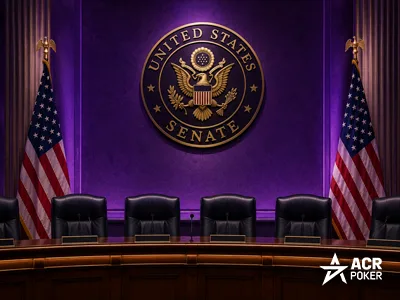



The US Senate Banking Committee will meet this week to deliberate on the landmark Clarity Act
Members of the Senate Banking Committee are scheduled to convene on May 14 to discuss the Clarity Act, which seeks to establish a formal regulatory framework for the digital asset industry. This executive session, held in Washington, DC, aims to resolve a persistent deadlock between cryptocurrency firms and traditional banking institutions regarding the oversight of digital tokens.
If the legislation is successfully signed into law, it will clarify whether specific crypto assets should be classified as securities or commodities. Industry advocates argue that this legal certainty is vital for the future of digital assets within the country and could significantly accelerate the adoption of these financial technologies.
A central component of the current debate involves a compromise between Senator Thom Tillis and Senator Angela Alsobrooks regarding stablecoins. The proposed rules would prohibit customer rewards on idle stablecoin holdings because such incentives closely resemble traditional bank deposits.
However, rewards linked to active tasks like sending payments would remain permissible under the new guidelines. Banking trade groups have expressed concerns that these provisions might allow crypto companies to draw significant deposits away from the regulated banking system. These organizations are currently lobbying committee members to close what they describe as a loophole that could threaten overall financial stability.
Conversely, crypto exchanges and technology firms argue that restricting interest payments on stablecoins would be anti-competitive and harmful to the burgeoning sector. The industry is pushing for the passage of the Clarity Act before the upcoming November midterm elections to ensure the bill reaches the executive branch by the end of 2026.
While the House of Representatives passed a version of this legislation last July, the Senate must now navigate these conflicting interests to produce a final bill. The outcome of this week’s session will likely determine if the legislation can move forward during a critical year for American financial policy.