How browser and wallet extensions isolate crypto poker data, what host permissions expose, and how to stop deposit address swaps.

How browser and wallet extensions isolate crypto poker data, what host permissions expose, and how to stop deposit address swaps.

How Arbitrum speeds up crypto poker cashouts: sequencer confirmations, batch settlement, the 7-day bridge exit, and the mistakes to avoid.
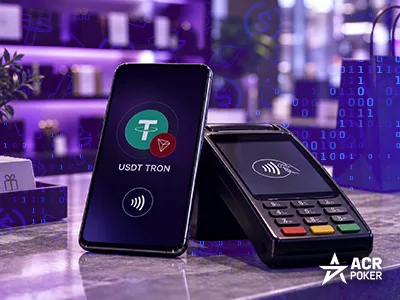
Why USDT poker deposits run on Tron: energy and bandwidth fees, one-minute finality, TRC20 risks, and the mistakes that cost players funds.

How Apple Pay crypto poker deposits work: on-ramp fees, card issuer rules, KYC, and on-chain confirmations, plus the mistakes that cost players.

Air-gapped hardware wallets remove USB and Bluetooth attack surfaces entirely — how QR and microSD signing actually protects your keys.
Meme coin transfers can look nearly free, but transfer taxes, thin liquidity, and volatility often cost more than any network fee.

Blockchain addresses are pseudonymous, not anonymous — clustering and KYC links can unravel that privacy permanently.

AML rules tightening around crypto exchanges, not poker platforms themselves, are what actually squeeze no-KYC play.
Separating active-play wallets from cold reserves on independent hardware limits what a device compromise can reach.

Weekly payout tiers gated by native token balances hinge on snapshot timing and price moves, not just holding.

NEAR Protocol’s sharded architecture keeps poker deposit and withdrawal fees near-zero, with fast finality — here’s how the trade-offs work.

Public Wi-Fi lacks the encryption crypto poker logins and wallets need — what a VPN protects against, and how to configure one correctly.