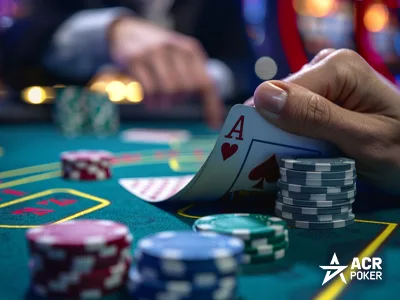



Mastering when to set a powerful two-card hand helps turn borderline Pai Gow sessions into steady wins
Setting a strong two-card hand in Pai Gow is often the key difference between pushing and winning. Because the game requires you to split seven cards into a five-card “high hand” and a two-card “front hand,” players must decide when it’s worth weakening the high hand to secure a stronger front. Making this choice correctly comes down to understanding table dynamics, dealer tendencies, and how Pai Gow rankings reward balance rather than extremes.
A strong two-card hand—such as a high pair, ace-high, or premium combination like K-Q—can be crucial when your five-card hand is already competitive. If your high hand is likely to beat the dealer without needing its absolute strongest form, shifting some strength forward often turns a likely push into a win. For example, when you hold a medium pair plus two strong kickers, placing the kickers up front gives you a solid chance to win both hands.
You should also strengthen the two-card hand when your five-card hand is vulnerable. Hands such as weak pairs or low straights can easily lose to the dealer. In these spots, leaning on a strong front hand increases the odds of at least securing a push. Players who keep all their power in the back often end up splitting far fewer hands than they could.
Another key factor is whether the dealer shows patterns of setting conservative or aggressive fronts. Many casinos follow a house way that tends to keep the two-card hand on the lower side. When that’s the case, a strong two-card hand gains even more value because it becomes the more reliable path to winning one of the two matchups.
Avoid setting an overly strong two-card hand only when it leaves your five-card hand too weak to compete. The goal is balance, not sacrifice. A good rule is simple: strengthen the front when the remaining back hand still has a reasonable edge.