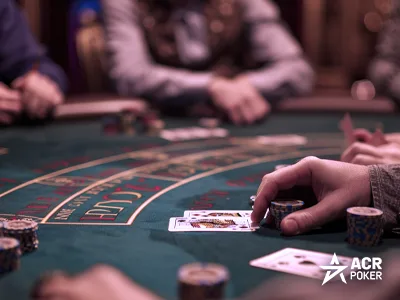



Controlled unpredictability and disciplined decision-making give you a way to express strategy within the game’s fixed framework
Pai Gow Poker is often viewed as a slow, low-risk casino game where bluffing seems irrelevant. The game focuses on splitting hands correctly and pushing often, which limits direct confrontation. In an online setting, the idea of bluffing becomes even more nuanced.
Traditional bluffing, as seen in poker, does not truly exist in Pai Gow. Players do not bet against each other, and there are no betting rounds to apply pressure. This removes the core tools that make bluffing effective in other card games.
However, strategic deception can still appear in subtle ways. In online Pai Gow, decisions revolve around how hands are set. Choosing an unconventional split can influence outcomes without signaling obvious intent.
Some players intentionally avoid optimal splits to reduce volatility. While this is not bluffing in the classic sense, it creates unpredictability. Dealers and house rules remain fixed, but personal strategy can still vary.
Bankroll and bet sizing provide another indirect layer of strategy. Increasing bets during strong sessions or reducing them during weak runs can simulate confidence shifts. This does not mislead opponents, but it manages risk perception.
Online platforms remove social cues entirely. Without facial expressions or timing tells, psychological play is limited. This makes pure bluffing nearly impossible compared to live table environments.
Progressive Pai Gow variants introduce more decision points. Side bets and bonus structures allow players to take calculated risks that resemble bluffing behavior. These choices can create high-reward moments, though outcomes remain math-driven.
The strongest edge in Pai Gow remains correct hand setting and rule awareness. Studying house ways, joker usage, and commission structures delivers more value than attempting deception.